Strange Noises From Your AC? 7 Common Causes in Seattle Homes
Published: 2026-04-25 · By CoolJet AC Repairs El Paso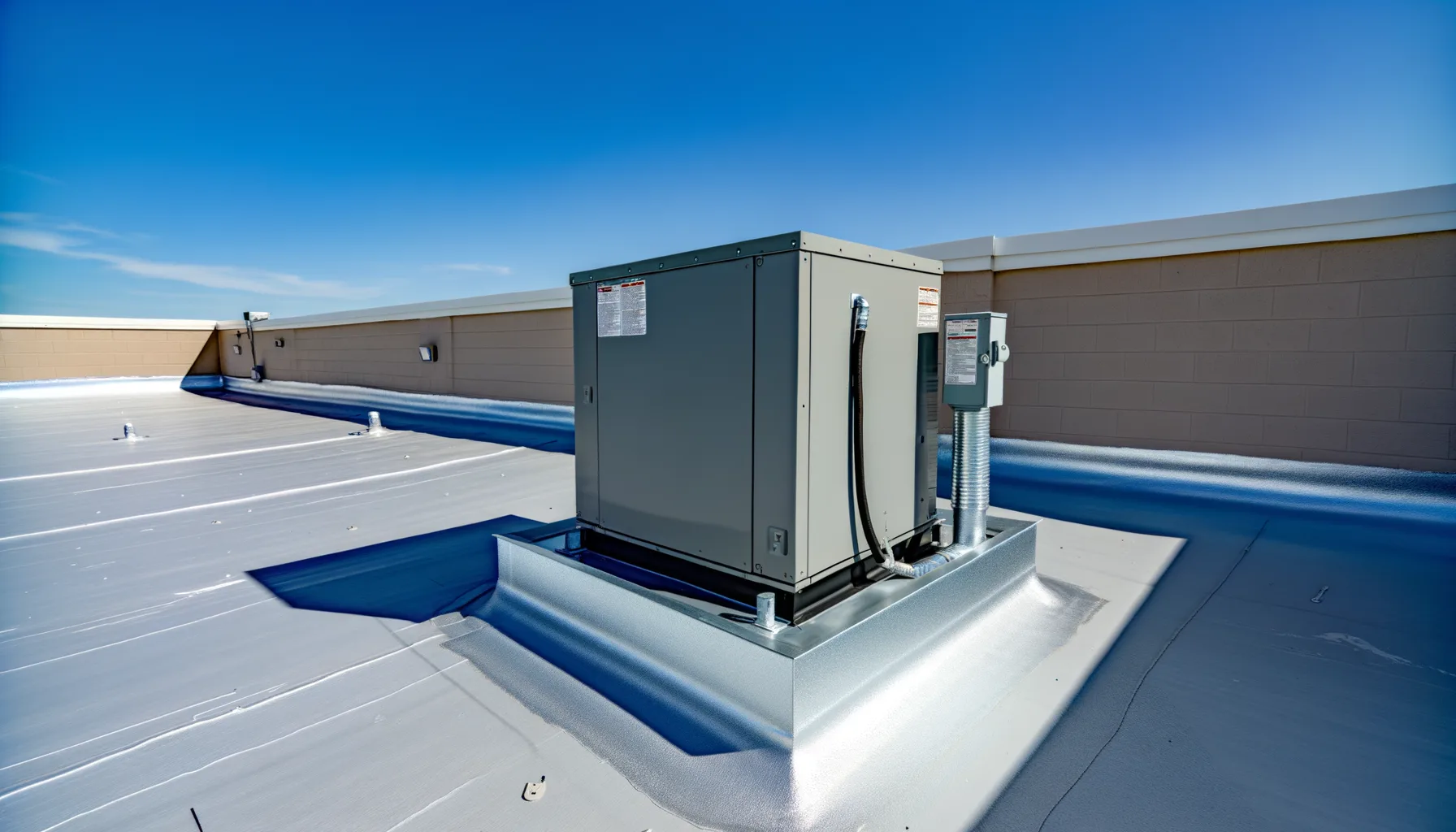
As a Seattle homeowner, you're likely familiar with the sound of rain against your windows and the occasional rumble of thunder on a gray day. However, if you start hearing strange noises coming from your air conditioning system, it can be just as alarming as a sudden storm. While our temperate maritime climate keeps us comfortable most of the year, the moisture can lead to unique challenges for AC units, especially when unusual sounds start filling your home. Understanding these noises is crucial not just for your comfort but also for the longevity of your system.
Why This Matters for Seattle Homeowners
Seattle's persistent damp conditions can lead to a plethora of issues for air conditioning systems. Homeowners often overlook the significance of strange noises like banging, hissing, or rattling. These sounds could indicate anything from a minor issue to a critical fault that needs immediate attention. Moisture can corrode components and lead to malfunctions over time, making it essential to pay attention when your AC starts speaking out.
Moreover, our unique climate translates to extra humidity, driving up mold risks if your AC is not functioning correctly. When your AC struggles or fails due to mechanical issues or moisture-related problems, the consequences can extend beyond discomfort—ramping up energy bills, compromising indoor air quality, and even increasing allergy symptoms.
Your Seattle home deserves to have a dependable cooling system that can withstand our peculiar weather patterns. Understanding the common causes of unusual AC noises can help you catch issues early and maintain a harmonious home environment.
Expert Solutions & Actionable Tips
1. 1. Loose Components
Among the most common culprits for odd noises is simply loose components. In Seattle's humid conditions, vibrations can cause screws and bolts to gradually loosen over time. A simple tightening of these parts can resolve the rattling. It's advisable to bolster these checks during routine maintenance, which can cost between $75 and $150 but can save you much more in the long run.
2. 2. Debris in the Outdoor Unit
Heavy rainfall can wash debris into your AC system, especially if your outdoor unit is situated near trees or landscaping. Twigs and leaves can block airflow and trigger unusual sounds as your unit struggles to operate. Before summer ramps up, it's wise to spend a few minutes cleaning the outdoor unit. This can be a DIY task that costs nothing more than your time, but it can prevent more serious malfunctions.
3. 3. Ductwork Issues
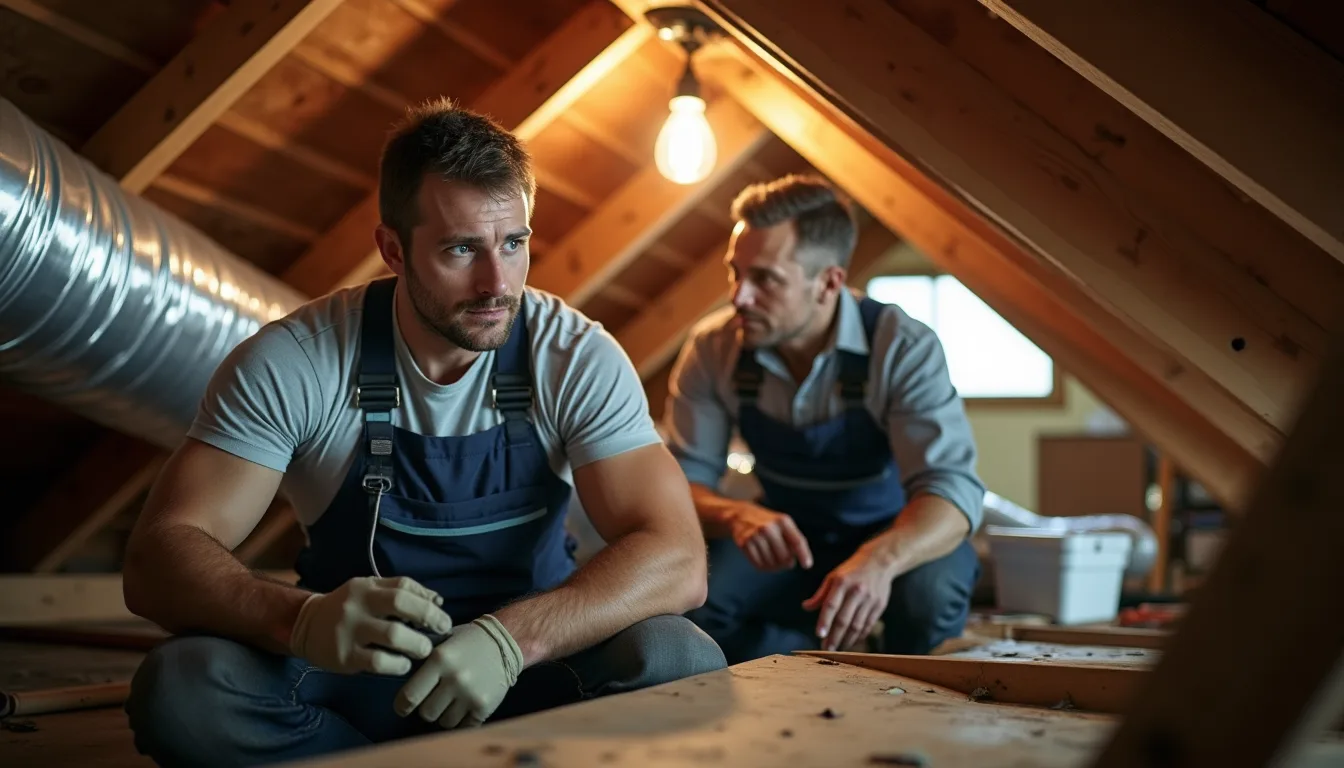
If you hear whistling or hissing noises, it often points towards leaky ductwork. In older Seattle homes, the ducts may have deteriorated or come loose, leading to loss of cool air and airflow issues. Repairing ducts can range from $150 to $500, depending on the extent of the damage, but timely fixes can significantly improve your unit's efficiency.
4. 4. Compressor Problems
The compressor is the heart of your air conditioning system. If it's generating a clanking noise, this might suggest internal damage. Compressors can be expensive, costing around $1,200 to $2,500 for replacement. If you hear persistent irregular sounds, consider scheduling an immediate inspection to avoid even pricier repairs.
5. 5. Refrigerant Leak
A hissing sound from your AC may indicate a refrigerant leak. This not only affects your system's cooling power but also poses environmental hazards. Calling a professional should be your next step. Leak repairs can range from $200 to $800, but they are critical to maintaining your system's efficiency and your family's health.
6. 6. Electrical Issues
Buzzing or popping noises can be signs of electrical problems within your AC unit. These issues could be due to faulty wiring or a failing capacitor. It's essential to address these promptly; professional repairs can cost between $100 and $300, which is preferable over potential fire hazards or a complete system failure.
Seattle Climate & Local Context
Seattle's maritime climate doesn't just shape our lifestyle; it significantly impacts our homes and buildings. With extensive rainfall and occasional snowfall in the mountains, moisture becomes a constant companion, particularly affecting HVAC systems, which are essential for maintaining comfort levels indoors. Seattle's building codes emphasize proper ventilation and drainage to combat potential issues stemming from this environment. Nevertheless, many older homes may still struggle to keep moisture at bay, making regular AC maintenance even more crucial.
The unique dampness also means routine mold prevention measures must be coupled with air conditioning upkeep. Systems can harbor mold and mildew if not adequately maintained, posing health risks to your family. Seattle homeowners need to prioritize proper AC care in their maintenance schedules, particularly as the rainy season approaches.
When to Call a Professional
Knowing when to tackle repairs yourself versus seeking professional help can save you both time and money. Certain tasks may be manageable for an experienced homeowner, such as basic maintenance or cleaning, but some scenarios require expert intervention.
- If you hear unfamiliar clinking noises, it’s a good time to call in a specialist.
- Unexplained increased energy bills can indicate hidden problems.
- Water pooling around your AC unit often requires immediate professional attention.
- Signs of refrigerant leaks are best handled by trained technicians.
- Frequent cycling on and off—known as short cycling—should prompt a call.
- Burning smells from the unit can indicate a serious electrical issue.
- If your unit is over ten years old and making strange sounds, an evaluation is wise.
If you’re uncertain about the nature of the noises, consulting a local HVAC expert like CoolJet AC Repairs El Paso will ensure a thorough and reliable diagnosis.
Frequently Asked Questions
What should I do if my AC starts making strange noises?
If your AC is producing strange sounds, first check for any loose components and debris. If the noise persists, it’s advisable to consult a professional like CoolJet AC Repairs El Paso for an inspection.
How can I prevent mold growth related to my AC system?
To prevent mold growth, ensure that your AC system is regularly maintained and that your home has adequate ventilation. It’s also wise to consider a dehumidifier in more humid areas of your home.
What common sounds indicate an AC failure?
Common sounds indicating a potential failure include loud clanking, persistent hissing, or unusual buzzing. Each of these can indicate underlying issues that may require professional inspection.
Is it worth repairing an older AC unit?
It often depends on the specific issue and the age of the unit. Generally, if repairs exceed half the cost of a new system, replacement might be more economical, especially in Seattle's humid conditions.
How often should I have my AC maintained?
In Seattle, it’s advisable to have your air conditioning system inspected at least once a year, ideally before the warmer months, to ensure it’s ready for the changes in climate.
Get Expert Air Conditioning Repair Service in Seattle
If your AC is making strange noises, don't hesitate to reach out. Contact (253) 295-6104 to speak with a cooling expert at CoolJet AC Repairs El Paso. We understand the unique challenges of Seattle’s climate and can assist you in restoring comfort to your home.
Don’t let the sound of disturbances impact your quality of life. Schedule an inspection today and be proactive about your cooling system's health.