Top 8 AC Problems Seattle Homeowners Report Every Fall
Published: 2026-04-25 · By CoolJet AC Repairs El Paso
As the vibrant colors of fall make their appearance in Seattle, homeowners might be more focused on cozying up indoors than thinking about their air conditioning units. Yet, as constant rain and cooling temperatures set in, keeping your AC system in top shape becomes vital. The humid Pacific Northwest climate can introduce a unique set of challenges for your home, making it essential to stay attentive to potential AC problems before they escalate into costly repairs. With the seasons changing, understanding common air conditioning issues can ensure that your system continues to operate effectively while you prepare for a rainy season.
Why This Matters for Seattle Homeowners
Seattle's temperate maritime climate creates a distinct set of conditions that can affect your AC unit. The heavy rain and persistent moisture can lead to condensation build-up and promote mold growth. Homeowners often overlook these issues, thinking that their AC systems aren’t heavily utilized in the fall. However, even with reduced use, moisture-related problems can occur.
Moreover, the construction styles prevalent in Seattle—often older homes with limited natural ventilation—can exacerbate these issues. Clogged condensate lines and electrical complications due to water intrusion often become commonplace in fall and winter. Repairing these types of damages ahead of time preserves the longevity of your unit and prevents significant health hazards, especially with mold spores lurking in damp areas.
If not dealt with promptly, homeowners might face costly repairs or complete system replacements down the line. It's essential to recognize potential issues before the rain becomes a constant unwelcome guest in your home.
Expert Solutions & Actionable Tips
1. Tip 1: Check for Clogged Drains
Clogged drain lines are a common issue in Seattle due to the region’s humidity. Leaves and organic matter can build up, leading to poor drainage and possible water overflow. Clear your drains and check them regularly, especially during the fall when debris is more prevalent. Hiring a professional for a thorough inspection can typically run between $75 and $150.
2. Tip 2: Inspect the Insulation
Proper insulation can prevent moisture build-up, essential during Seattle's wet season. Examine your insulation for wear or damage, which can lead to decreased efficiency and increased energy costs. Replacement or repairs can cost between $500 and $1,000, depending on the scope of work.
3. Tip 3: Schedule an End-of-Season Tune-Up
Regular maintenance can extend the life of your AC unit. Technicians recommend scheduling a seasonal inspection before the fall months, which ranges from $100 to $200 and includes checking refrigerant levels, cleaning ducts, and lubricating moving parts. This proactive step can save you from unexpected breakdowns in chilly weather.
4. Tip 4: Monitor Humidity Levels
Seattle’s humidity levels can cause your air conditioning system to work harder. Consider installing a hygrometer to monitor indoor humidity, ensuring it stays between 30% and 50%. Investing in a dehumidifier can cost about $200-$400 and greatly improve air quality and comfort in your home.
5. Tip 5: Clean Exterior Components
Debris accumulation on your AC unit’s exterior can hinder performance, particularly with Seattle's damp conditions. Ensure your AC system is cleaned from leaves, branches, and mud every fall, which could take about an hour. This simple upkeep helps improve efficiency and can prevent rust formation.
6. Tip 6: Test Your Thermostat
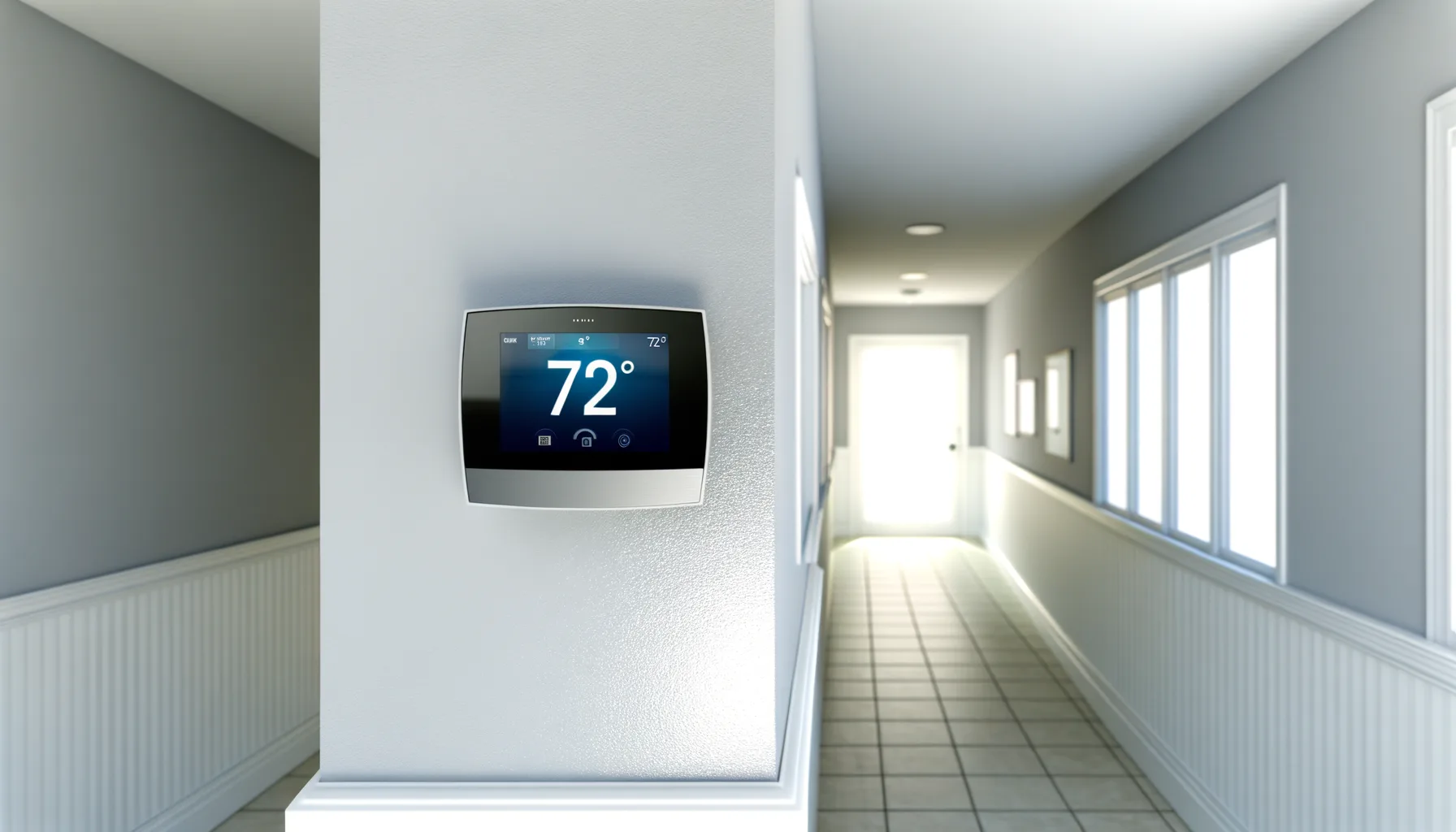
Your thermostat is key to managing your home's temperature. Test it periodically in the fall to ensure it responds correctly. If your thermostat is malfunctioning, replacement costs can range from $50 to $150, but timely attention can avoid larger issues later in the heating season.
Seattle Climate & Local Context
Seattle's maritime climate necessitates a keen focus on moisture management in homes. With average annual rainfall close to 37 inches, and winters that occasionally turn to snow, the risk of mold growth is constant. Properties here often face challenges related to humidity and moisture retention, making proper ventilation critical for air conditioning systems.
Building codes in Seattle emphasize the importance of ventilation and moisture control, ensuring that homes are equipped to handle the local climate. When planning for air conditioning repairs or installation, be aware of these regulations and potentially required permits to avoid complications.
As a Seattle homeowner, understanding local climate patterns can significantly affect how you approach AC maintenance. Monitoring these conditions helps ensure a safe, breathable home environment, especially as the weather turns wet and cold.
When to Call a Professional
Deciding whether to handle AC repairs yourself or hire a professional can challenging, especially for Seattle homeowners dealing with unique climate considerations. While routine maintenance like cleaning filters can be DIY, certain situations warrant professional intervention.
- Water pooling around the unit.
- Unusual noises coming from the AC.
- Power loss or tripped breakers related to the system.
- Mold growth around vents or ductwork.
- Foul smells emanating from the unit.
- Inconsistent cooling throughout your home.
While DIY may seem tempting, remember that HVAC professionals have the tools and expertise needed for complex issues, especially concerning condensation problems that arise from Seattle's weather. Understanding your limits can save you time and money.
Frequently Asked Questions
What common AC problems should I watch for in Seattle?
Watch for clogged drains, mold growth, and thermostat failures, all of which can be exacerbated by Seattle's damp climate.
How can I prevent moisture-related issues in my AC system?
Regularly inspect your unit, clean drainage lines, and use a dehumidifier to control indoor humidity, especially during the wetter months.
When should I consider replacing my air conditioning system?
If your unit frequently needs repairs or is more than 10-15 years old, it may be time to consider a replacement, especially if efficiency is a concern.
Can I repair my AC unit myself?
Basic maintenance like filter replacement can be done yourself. However, complex issues, particularly those involving electrical components, should be handled by professionals.
What are some signs that I need to call CoolJet AC Repairs El Paso?
If you notice unusual noises, dampness around the unit, or inconsistent air temperatures, it's best to consult with our experts for prompt assistance.
Get Expert Air Conditioning Repair Service in Seattle
Preparing your air conditioning for the fall is crucial to maintaining a comfortable and safe environment in your Seattle home. If you notice any unusual issues with your AC system or want to schedule an inspection, don’t hesitate to reach out. Call (253) 295-6104 for reliable advice and service from CoolJet AC Repairs El Paso.
Our team understands Seattle's unique climate challenges and is equipped to handle all your air conditioning needs. Ensure your home stays cozy through every season by contacting us today!