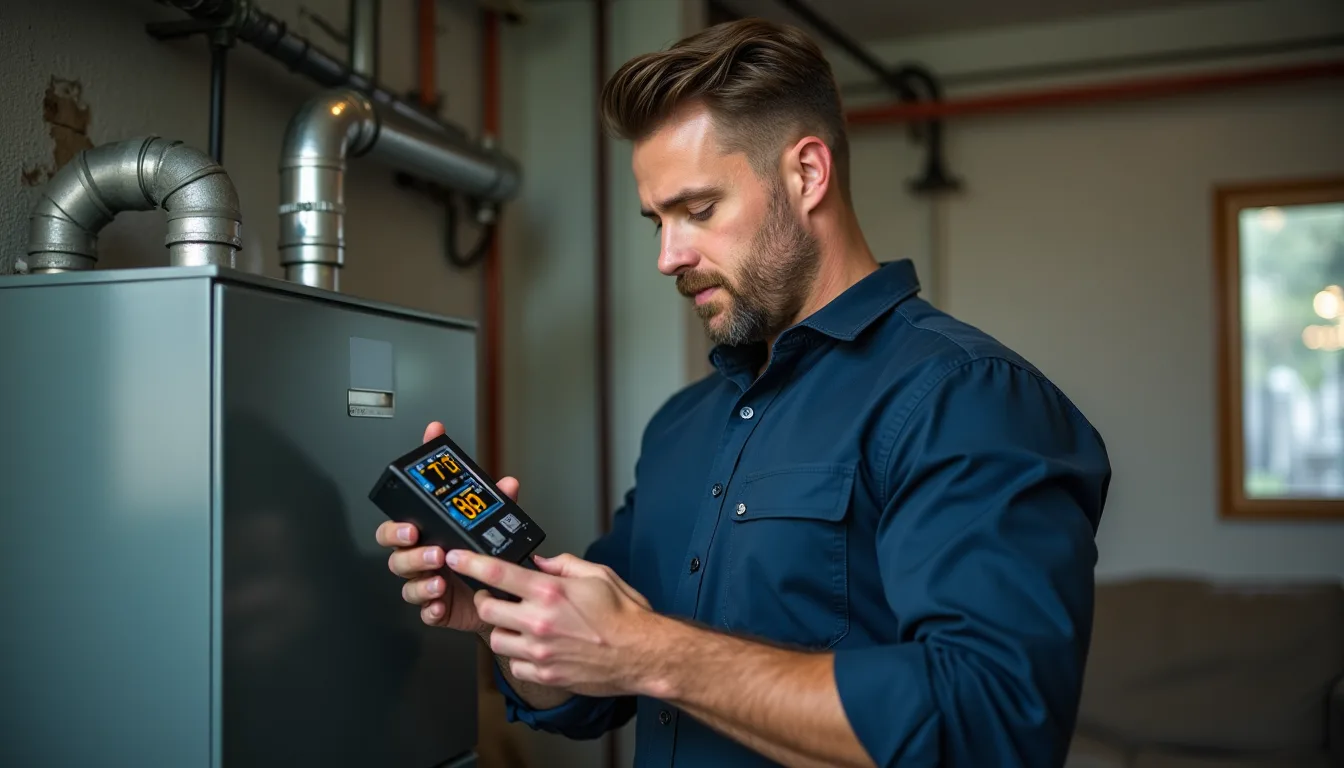
Preventing AC Drain Line Clogs in Seattle's Humid Climate
Published: 2026-04-25 · By CoolJet AC Repairs El Paso
Seattle's lush, temperate climate offers a unique charm, but it comes with its own set of challenges for homeowners. Imagine returning home after a heavy rain, expecting to relax in a comfortable environment, only to discover that your air conditioning unit is malfunctioning. In a city where the humidity can easily soar, the last thing you want is an AC system that isn't functioning optimally due to clogged drain lines. Understanding how to prevent these clogs becomes crucial to maintaining both comfort and air quality.
Why This Matters for Seattle Homeowners
For Seattle homeowners, preserving indoor air quality during long, damp months is essential. Excess moisture can lead to mold, which not only damages your property but also poses serious health risks. Air conditioning units are designed to help manage this humidity, but when the drain lines clog due to debris or algae growth, the system's performance is compromised. With heavy rainfall occasionally bringing snow in the mountains, moisture management is vital. Clogged drain lines can result in water pooling and overflow, potentially damaging your home's foundation or walls.
The accumulation of debris isn't just an inconvenience; it can also attract pests. Moreover, clogged lines may force your unit to work harder, driving up energy bills and accelerating wear and tear. Regular maintenance is a crucial aspect of preserving both your comfort and your AC's life span.
Expert Solutions & Actionable Tips
1. Routine Maintenance Checks
Scheduling regular maintenance checks is an excellent way to keep your AC drain lines clear. Professionals usually recommend a service visit at least twice a year, costing between $100 to $200 each time. During these appointments, technicians can clean the drain line and inspect the overall system for any potential issues. In Seattle, taking advantage of springtime before the summer humidity hits can set the tone for optimal performance.
2. Install a Drain Pan
Installing a drain pan beneath your AC unit can provide a secondary layer of protection against overflow from clogged lines, with installation costs around $50 to $150. This pan typically contains a float switch that shuts off the AC if the water level rises too high, preventing excess water damage. Given the rain Seattle receives, this simple addition can save homeowners significant headaches down the line.
3. Regularly Check and Clean the Outdoor Unit
Your outdoor AC unit frequently collects leaves and debris that can clog drain lines. Setting aside time monthly to inspect and clear away dirt can easily prevent bigger issues later, which is crucial considering Seattle's seasonal rains. If you're concerned about climbing or using tools, consider hiring a local service for approximately $75, which offers a thorough cleaning along with professional advice.
4. Use Biocide Treatments
A biocide can combat mold and algae growth in your drain lines, costing about $20 to $40 per application. While many new systems are equipped with UV light filtration technology, regular biocide treatments can further inhibit unwanted growth, especially in moisture-heavy environments like Seattle. Carrying out this treatment semi-annually can go a long way in maintaining a healthy indoor atmosphere.
5. Seal Vents Properly
Ensuring that your vents are sealed tight can reduce excess moisture in your home, thus lessening the potential for drain line clogs. Seattle's construction often features older homes that may have been inadequately sealed over the years. Sealing these vents can cost between $50 to $100, depending on the number of vents you have. It’s a small price to pay for peace of mind and improved air quality.
6. Monitor Indoor Humidity Levels
Utilizing a hygrometer to monitor indoor humidity levels can provide invaluable insight into your home’s air quality. Ideally, humidity levels should stay between 30-50%. Increasing humidity requires quick action. These devices usually range from $10 to $50 and can help prevent unwanted mold growth in your home through proactive measures.
Seattle Climate & Local Context
Seattle's climate is characterized by heavy rain and a temperate maritime atmosphere that creates ongoing challenges for homeowners. With persistent moisture, air conditioning installations in local buildings often need additional considerations to reduce water damage risks. Building codes emphasize proper ventilation and drainage, reflecting the importance of a well-maintained air conditioning system.
Older homes, in particular, might struggle with outdated HVAC systems, leading to common issues like drain line clogs. New homeowners should note that compliance with local regulations is important not just for comfort, but for maintaining property value. Understanding these elements can guide homeowners toward better care and maintenance strategies.
When to Call a Professional
When it comes to deciding whether to handle AC maintenance yourself or hire a professional, it's vital to assess the task's complexity. Many Seattle homeowners can effectively perform simple maintenance tasks, but sometimes a deeper issue is at play. Common signs indicating that it’s time to call a professional include:
- Water pooling around your AC unit
- Foul odors coming from vents
- Unusual noises when the AC is running
- Frequent system shutdowns
- Increased humidity in your home despite running the AC
- Unexpectedly high utility bills
If you encounter any of these issues, calling CoolJet AC Repairs El Paso can provide a swift resolution, ensuring that your unit operates efficiently throughout the damp Seattle seasons.
Frequently Asked Questions
What common issues can clog my AC drain line?
In Seattle, debris, algae build-up, and dust can all contribute to drain line clogs.
How often should I clean my AC system's drain line?
It's recommended to clean it at least twice a year to prevent any significant issues.
Can I perform maintenance on my AC unit myself?
Basic checks and cleaning can be done by homeowners, but complex repairs should be left to professionals.
What should I do if I notice water pooling around my AC?
Immediately shut off the unit and contact a technician as this can indicate a clogged drain line.
How can CoolJet AC Repairs El Paso help me?
We specialize in diagnosing and repairing AC issues, specifically tailored to Seattle's climate conditions.
Get Expert Air Conditioning Repair Service in Seattle
Don't let clogged drain lines compromise your comfort this season. Ensure your AC is running optimally by reaching out to us at (253) 295-6104. At CoolJet AC Repairs El Paso, we understand the unique needs of Seattle homeowners.
Call us today to schedule an inspection or maintenance, and enjoy a comfortable, carefree environment at home.